Pull a strand of vegetation off a boat prop at Winona Lake and you are holding one of two very different things. It might be a native plant that was anchoring sediment and sheltering young fish until the propeller found it, or it might be an invasive species that Indiana regulates by name. The two can look similar at arm’s length, and the right response to each points in a different direction, so identification has to come before any decision about raking, cutting, or chemical treatment.
One caution up front: none of the sources cited here publishes a current species-by-species inventory of Winona Lake itself, so the watch list below is a set of species to recognize and report, and it says nothing about which of them are in this lake.
Native, non-native, invasive: the three categories
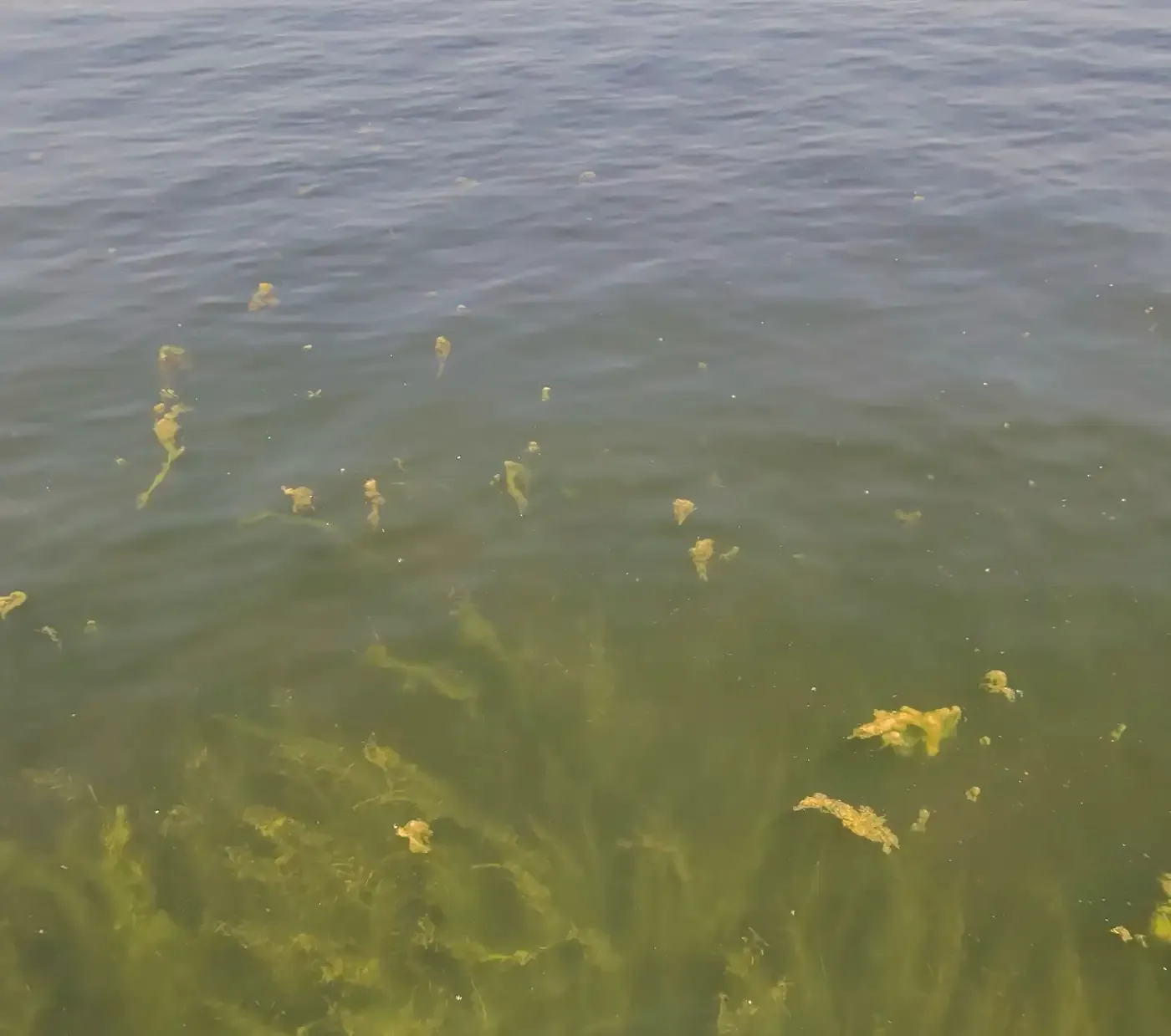
The Lilly Center for Lakes & Streams at Grace College sorts aquatic species into three groups. A native species occurs in a lake naturally and evolved alongside everything else that lives there. A non-native species arrived from somewhere else, usually with human help, and may or may not cause problems once it settles in. The third group is the one that matters here: the Lilly Center defines an invasive species as “a species of plant or animal that outcompetes other species, causing damage to an ecosystem.”
The word “weed” appears nowhere in those definitions. Calling a plant a weed describes how it affects your afternoon. It says nothing about what the plant does for the lake. A mat of invasive milfoil wrapped around a prop is a real problem, and so is a healthy native plant bed ripped out because it brushed a swimmer’s leg. The response should follow the category a species belongs to, whatever inconvenience it causes on a given day.
What native vegetation is doing down there
Native aquatic plants do work that is easy to miss from the surface. Underwater beds give small fish cover and give predators somewhere to hunt, which is part of why anglers spend so much time working the edges of vegetation lines. The same beds feed and shelter the insects, snails, and waterfowl that fill out the lake’s food web. Remove the plants and the habitat goes with them.
Rooted plants also hold the bottom in place. Winona sits at the downstream end of an 18,730-acre watershed, and the ditches that drain it deliver sediment with every storm. Plant beds slow the water moving through them and bind what has already settled, so that material stays on the bottom instead of clouding the water column every windy afternoon. Clarity benefits twice over, because nutrients taken up by growing plants are nutrients that algae never get to use.
The pattern continues at the waterline. The Lilly Center’s native plants page notes that deep-rooted native plantings filter runoff and prevent erosion along the shore, and this site’s shoreline guide covers what that looks like on a Winona lot. A plant you are tempted to call a weed may be part of the lake’s own maintenance system.
The watch list for lakes like this one
The species below come from the Indiana DNR’s aquatic invasive species materials and the Lilly Center’s education pages. They are the arrivals that northern Indiana’s natural lakes watch for, and shoreline residents are usually the first people in a position to notice something new. Whether any particular one is established in Winona Lake is a question for the people who do the sampling, and this article makes no claim either way.
Eurasian watermilfoil
The DNR’s aquatic invasive species page describes Eurasian watermilfoil as “an invasive water plant that can shade out native species and interferes with boating and fishing.” Control is expensive at the state scale: Indiana spends about $1 million a year managing the plant in public waters, according to the same page.
Starry stonewort
Starry stonewort is one of the Lilly Center’s two featured examples. It forms dense mats at the surface, and it grows across a wide band of depths, from water a few inches deep down to about nine meters (roughly 30 feet), which lets it colonize everything from the shallows to well past the end of a dock.
Zebra mussels
Zebra mussels are the animal on this list. The Lilly Center notes that they arrived in the 1980s in ship ballast water, and that established populations clog pipes and line shorelines with sharp shells. The clean, drain, dry routine near the end of this article exists in large part because mussels and plant fragments ride between lakes on boats and trailers.
Curly-leaf pondweed and hydrilla
Both plants appear on the DNR’s regulated aquatic invasive plants list under the Aquatic Plant Rule, alongside species such as Brazilian elodea, water chestnut, and flowering rush. The DNR’s pages carry photos and identification details for each; if a plant you cannot place resembles anything on that list, treat it as worth reporting.
What Indiana law says
Indiana’s Aquatic Plant Rule, 312 IAC 18-3-23, regulates roughly 30 aquatic plant species, including Eurasian watermilfoil, starry stonewort, hydrilla, and curly-leaf pondweed. Under the rule it is illegal to sell, gift, barter, exchange, distribute, or transport these plants in Indiana. The transport clause is the one that reaches ordinary lake users: a live fragment riding a trailer from one lake to the next is exactly the movement the rule prohibits.
Before you treat or remove anything
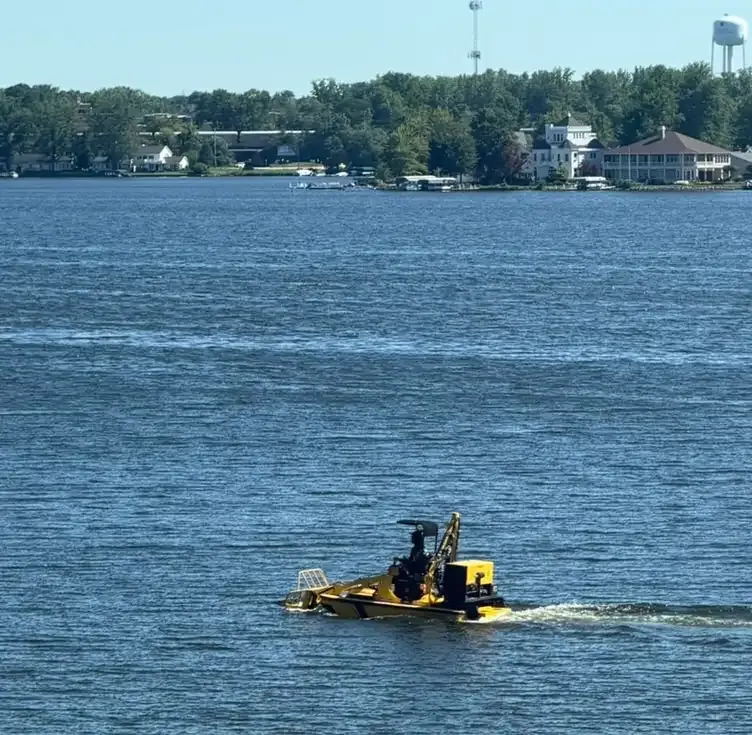
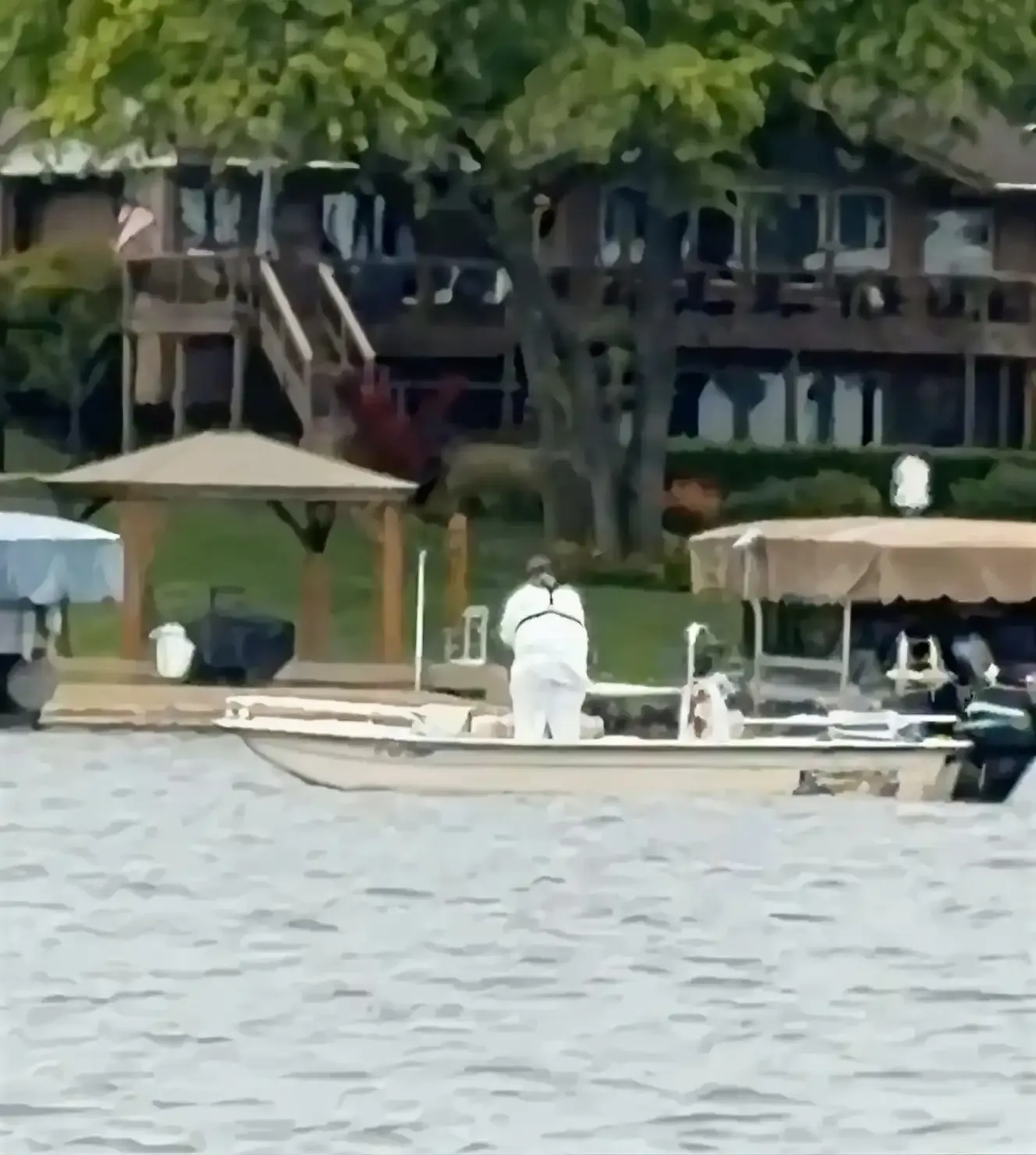
Identification comes first. The DNR’s aquatic invasive species pages carry photos and descriptions, the Lilly Center publishes education material, and a clear photograph of the plant in place will let someone knowledgeable confirm what you have. Guessing wrong either wastes a treatment or destroys habitat the lake needed.
Removal itself deserves the same caution. Tearing out native vegetation strips away fish habitat and frees the sediment and bank material the plants were holding, and that kind of damage is far easier to cause than to undo.
On Winona, lake-wide invasive control is organized work. The Winona Lake Preservation Association, a nonprofit active on the lake since the 1970s, runs invasive weed control along with volunteer water-quality monitoring, and it appears with the lake’s other conservation groups on the stewardship page. If you believe an invasive plant is spreading near your shoreline, telling the WLPA connects your observation to the people coordinating treatment.
Reaching the WLPA: the association’s active channel is its Facebook page, and it answers email at winonalakepreservation@gmail.com. Its programs change from season to season, so check there for the current year’s control work. Checked August 17, 2026.
Winona is also a public freshwater lake, which brings state oversight with it. Treatments in a public freshwater lake can require DNR authorization, so check with the DNR before applying or removing anything at scale.
The boater’s part: clean, drain, dry
Boats and trailers are the main way aquatic invasive species move between inland lakes, which makes every boater part of the defense. The DNR points boaters to the national Stop Aquatic Hitchhikers campaign, whose routine takes a few minutes at the ramp:
- Clean: remove all plants, mud, and debris from the boat, trailer, and gear before leaving the access point.
- Drain: empty all water before you leave, including the bilge, live wells, and ballast tanks.
- Dry: give everything about five days to dry before launching in another waterbody.
The routine protects in both directions. It keeps anything present in Winona from riding to a neighboring lake, and it keeps whatever a visiting boat picked up elsewhere from getting a start here.
If you think you found an invasive
Suppose the strand on your prop still looks wrong after all of this. Photograph it in place before you touch anything else, then note the location as precisely as you can: an address, a landmark, or a GPS pin from your phone. Do not carry a live sample to another lake or pass it around, since transport is one of the acts the Aquatic Plant Rule prohibits. Report what you found to the DNR through the contacts on its aquatic invasive species page, and locally to the WLPA or the Lilly Center, both of which know this lake and the people who manage it.
Most of the vegetation you meet on Winona will turn out to be native plants doing their jobs, and the best thing to do with those is to leave them alone. Learning the difference costs an hour with the DNR’s identification pages, and it pays off every time you can tell a working plant bed from a genuine arrival that should be reported.
Support the organizations in this article
The Winona Lake Preservation Association is the volunteer association on this lake, and it takes donations by Venmo and PayPal. The monitoring and research behind this article are the work of the Lilly Center for Lakes & Streams at Grace College, which accepts gifts toward its research and education.
More about the local organizations, and other ways to help, is on the stewardship page.
Sources
- Lilly Center for Lakes & Streams, native/non-native/invasive explainer: the three-category definitions plus zebra mussel and starry stonewort descriptions. Checked August 17, 2026.
- Indiana DNR, aquatic invasive species: Eurasian watermilfoil description, the control-spending figure, and clean-drain-dry guidance. Checked August 17, 2026.
- Indiana DNR, aquatic invasive plants rule page: the roughly 30 species regulated under 312 IAC 18-3-23 and the acts the rule prohibits. Checked August 17, 2026.
- Lilly Center native plants page: runoff filtering and erosion benefits of native plantings along the shore. Checked August 17, 2026.
- Stop Aquatic Hitchhikers: the national clean, drain, dry campaign for boaters. Checked August 17, 2026.
- Winona Lake Preservation Association (Facebook): the association’s invasive weed control and volunteer monitoring work on Winona Lake. Checked August 17, 2026.